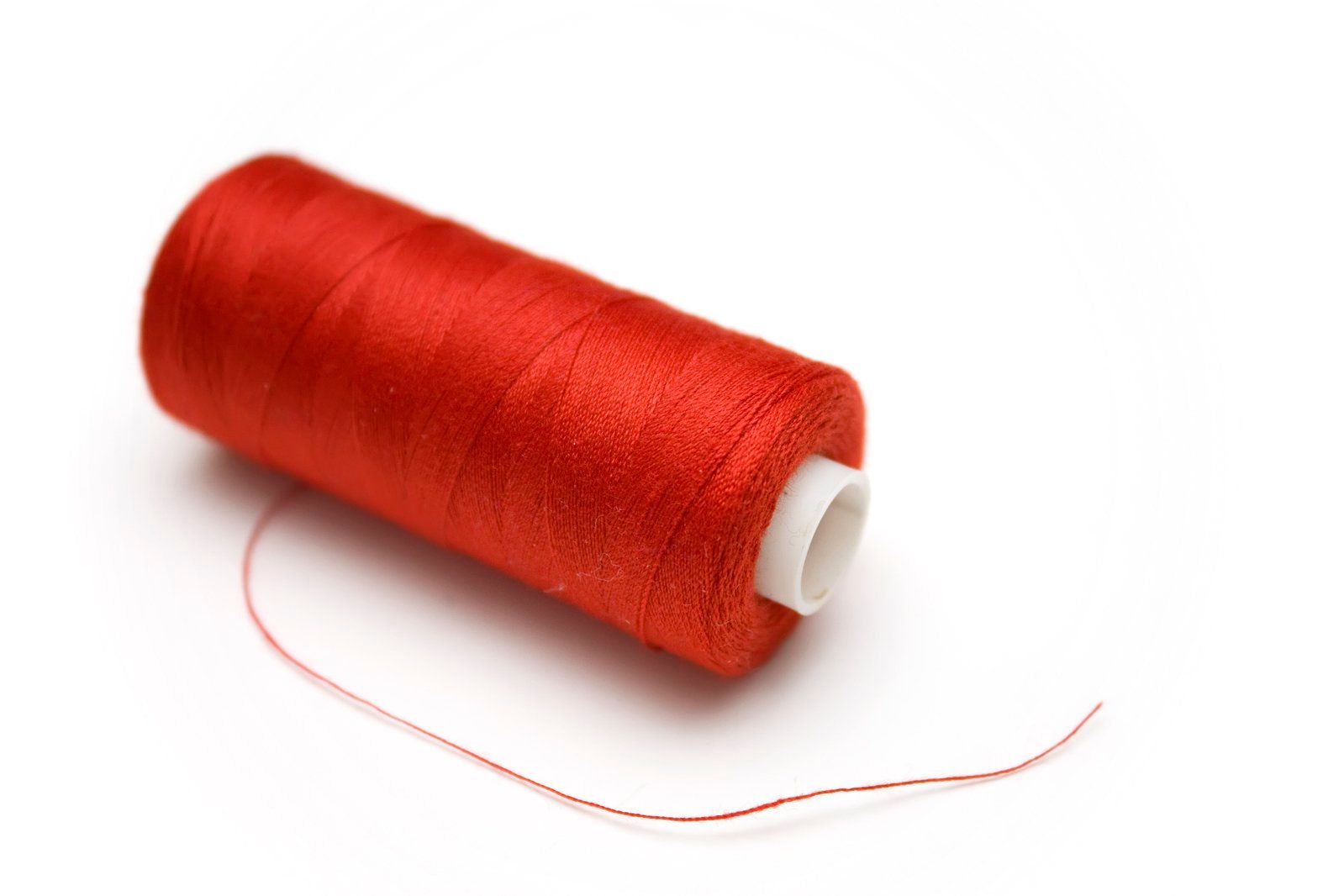
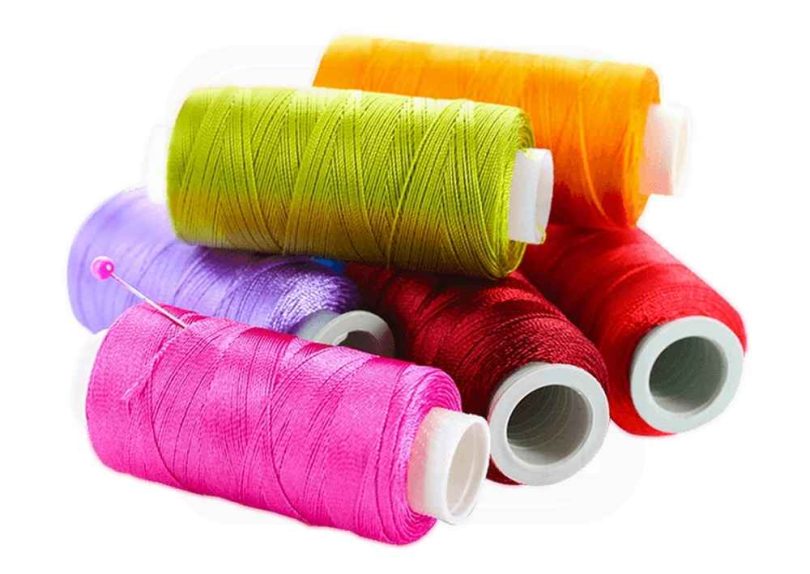
In apparel making, thread may look like a very small thing. But in real production, it plays a very big role. Many factories focus a lot on fabric, machine, design, and labour. That is important for sure. Still, thread also decides how smoothly the work will go. A wrong thread can increase cost, slow down stitching, and create quality problems. A right thread can help save time, reduce waste, and improve final garment look.
Many people think low price thread is always better because it saves money at the time of buying. This looks fine in the beginning. But later, that cheap thread may create more breakage, more machine stops, more rework, and more rejected pieces. Then actual cost becomes higher. So, thread selection should not be done only by looking at price. It should be done by looking at both cost and performance together.
Good thread gives balance. It should not be too costly without need. At the same time, it should not be so poor that it affects stitching speed and garment quality. This balance is what helps apparel production become more efficient.
Thread performance means how well the thread works during sewing and after sewing. A good thread should run smoothly on machine. It should not break again and again. It should make neat stitches. It should match the fabric and garment use. It should also stay strong during washing, wearing, and handling.
When thread quality is not good, many small problems start coming. Needle heat can damage it. Lint may increase. Tension may become uneven. Stitches may look bad. Seam may become weak. Workers may stop machine again and again to fix the issue. This wastes time. It also reduces output in bulk production.
For example, if one line stops many times in one shift due to thread breakage, total garment pieces will come down. Machine operator also gets disturbed. Supervisor has to spend extra time checking faults. In this way, one cheap thread can affect the full production flow.
That is why smart factories do not ask only one question, “What is the cheapest thread?” They ask a better question, “Which thread gives best value in production?”
Best value does not mean highest price. It means right recycled sewing thread for the right job. Some garments need stronger thread because they face more stress. Some need soft and fine thread because fabric is light. Some need better color fastness. Some need high speed sewing performance. Every garment has its own need.
For light fabrics, using very thick thread can damage the look and feel. For heavy garments, using weak thread can cause seam failure. So selection should depend on fabric type, stitch type, seam requirement, machine speed, and garment end use. A kids wear item, a shirt, a uniform, and a sportswear product may all need different thread choices.
Another important point is consistency. Even if thread is strong, it should also be uniform. If thickness changes too much, sewing result will also change. One part may stitch well, another may create issue. This makes quality control harder. Consistent thread helps keep production stable.
Lubrication of thread also matters a lot. A well lubricated thread runs better at high speed. It creates less friction. It gives smoother sewing. This helps reduce needle heat and thread damage. So when factories compare thread options, they should not see only cone price. They should also see sewing behaviour on machine.
In many cases, a slightly better thread can save money in hidden ways. It can reduce downtime. It can reduce thread waste. It can lower repair work. It can improve seam appearance. It can help meet delivery time better. These savings may not be visible on purchase bill, but they are very real inside the factory.
Factory owners and production teams should also test thread before using it in full bulk. A small trial can show many things. They can check breakage rate, seam strength, stitch look, machine performance, and operator feedback. This gives a more practical idea than just checking catalogue details.
It is also useful to work with a reliable thread supplier. A good supplier does not only sell thread. They help in selecting proper ticket size, fibre type, finish, and shade. They may also support with technical guidance. This makes thread selection easier and more correct.
Polyester threads are often chosen in apparel because they give a good mix of strength, durability, and cost. But even inside polyester category, all threads are not same – like polyester corespun thread and trilobal polyester. Construction, finish, quality control, and processing can make a big difference. That is why comparing by price only can be risky.
At the end, production efficiency is not about buying the cheapest material. It is about choosing materials that help production run better from start to finish. Thread is one of those materials. It may look small, but its impact is big.
When factories select thread with both cost and performance in mind, they get better sewing efficiency, better garment quality, and better control on total production cost. This is the smart way to grow in a competitive apparel market.
So the real goal is not lowest thread price. The real goal is best production result. And for that, the right thread choice matters every single day.