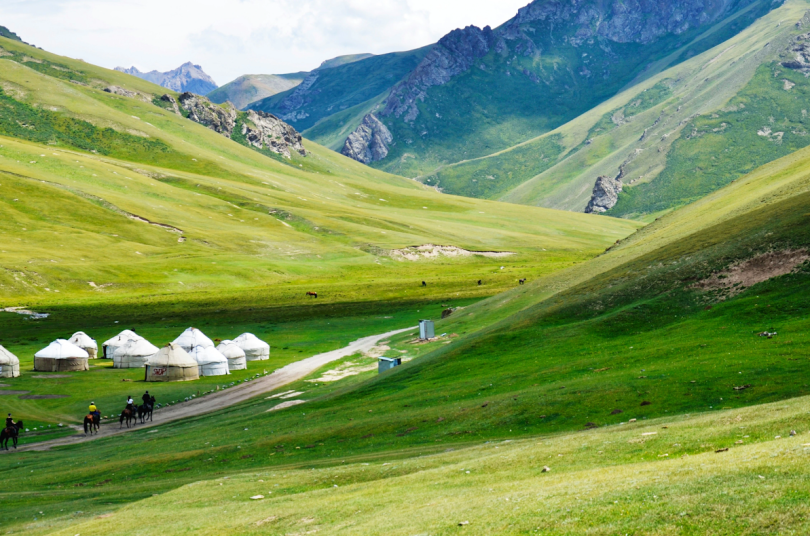
Central Asia is becoming increasingly popular among travelers who want to experience dramatic mountains, remote valleys, alpine lakes, and landscapes far from the usual tourist routes. From the Tian Shan and Pamir Mountains to high-altitude valleys and vast open landscapes, the region offers incredible opportunities for outdoor adventures in every season. While summer is ideal for many trekking routes, winter brings a completely different experience, especially around destinations such as Karakol Ski Resort, where the mountains become a playground for skiing and other winter activities. Choosing the right season is therefore essential for making the most of a trip to Central Asia.
Why Central Asia Is Perfect for Trekking
Central Asia is home to some of the most spectacular mountain landscapes in the world. Kyrgyzstan, Kazakhstan, Tajikistan, and Uzbekistan each offer different experiences, from relatively accessible day hikes to demanding multi-day expeditions.
One of the region’s biggest advantages is its variety. Travelers can hike through green valleys in summer, walk beside turquoise mountain lakes, explore traditional villages, or climb toward high-altitude passes surrounded by snow-covered peaks.
Unlike some of the world’s more developed trekking destinations, many Central Asian routes remain relatively quiet. This gives hikers an opportunity to experience dramatic scenery and local culture without encountering large crowds.
Summer: The Most Popular Trekking Season
For many travelers, summer is the most convenient season for trekking in Central Asia.
From June through September, many mountain areas experience warmer temperatures and more accessible trails. Higher mountain passes that remain covered in snow during spring can become accessible during the summer months.
July and August are particularly popular for trekking, although conditions vary significantly depending on elevation. Lower valleys can become warm during the day, while temperatures at high altitude may remain surprisingly cold.
Summer is a great choice for travelers planning multi-day hikes, camping trips, and routes involving mountain passes. However, popular destinations may be busier during the peak months, so travelers who prefer quieter trails may want to consider June or September.
June: Green Landscapes and Fewer Crowds
June can be an excellent month for trekking, particularly at lower and medium elevations.
Mountain valleys are often covered in fresh vegetation and wildflowers, creating colorful landscapes for hikers. The weather can be comfortable during the daytime, while the evenings remain cool.
The main consideration is altitude. Some high passes may still have significant snow, making certain routes unsuitable or requiring specialized equipment.
Before starting a trek in June, check local trail conditions and consider working with an experienced guide who understands the current mountain environment.
July and August: High-Altitude Adventures
July and August generally offer some of the best access to high mountain routes.
These months are popular for trekking because many high-altitude passes become more accessible and the weather is often relatively stable compared with the shoulder seasons.
For experienced hikers, this can be the perfect time to explore longer routes through the Tian Shan or Pamir regions.
At the same time, summer storms can occur in mountainous areas. Afternoon rain, thunderstorms, and sudden temperature changes are possible, so hikers should always be prepared for changing conditions.
Good sun protection is also essential. At high elevations, ultraviolet radiation can be significantly stronger, even when temperatures feel cool.
September: A Great Shoulder-Season Option
September is often overlooked by travelers, but it can be an excellent month for trekking.
Temperatures begin to fall, particularly at night, but many trails remain accessible during the first part of the month. The number of tourists can also decrease after the summer peak.
The landscapes begin to change as autumn approaches, creating beautiful contrasts between golden vegetation, rocky mountains, and snow-covered peaks.
For travelers who want a combination of comfortable trekking conditions and fewer people, early September can be an attractive option.
What About Spring and Autumn?
Spring and late autumn can be beautiful seasons for exploring Central Asia, but they are less predictable for high-altitude trekking.
Lower-elevation trails can become accessible earlier, while higher routes may remain covered by snow. Melting snow can also make some paths muddy or difficult to cross.
Autumn brings cooler temperatures and changing colors, but the trekking window at higher elevations can be short.
These seasons are better suited to flexible travelers who are prepared to adjust their itinerary according to current weather and trail conditions.
Winter: For Experienced Adventurers
Winter is generally not the first choice for conventional trekking in Central Asia. Snow, freezing temperatures, short daylight hours, and difficult mountain conditions can make many routes inaccessible.
However, winter opens the door to other forms of adventure, including ski touring, snowshoeing, mountaineering, and specialized expeditions.
Anyone considering a winter mountain trip should have appropriate equipment, experience, and knowledge of avalanche and cold-weather risks.
Choosing the Right Country
The ideal trekking season also depends on where you want to travel.
Kyrgyzstan is particularly well known for mountain trekking, with routes around alpine lakes, valleys, and the Tian Shan range. Kazakhstan offers a mixture of mountain trails and more accessible hikes close to major cities. Tajikistan is famous for the dramatic Pamir Mountains and demanding high-altitude adventures.
Each destination has its own climate and elevation patterns, so it is important to research the specific trail rather than relying only on a general Central Asia travel calendar.
Prepare for Changing Mountain Weather
Regardless of the season, preparation is essential.
Mountain weather can change rapidly, and conditions at high altitude can be completely different from those in nearby towns. Pack layers that can be added or removed, waterproof clothing, sturdy hiking shoes, sun protection, and sufficient water.
For multi-day treks, navigation equipment, food, first-aid supplies, and suitable camping equipment may also be necessary.
Most importantly, check current weather and trail conditions before setting out and be prepared to change your plans if conditions become unsafe.
Final Thoughts
For most travelers, June through September is the main trekking season in Central Asia, with July and August generally providing the widest access to high-altitude routes. June offers fresh landscapes and the beginning of the trekking season, while September can provide cooler weather and fewer visitors.
Ultimately, the best season depends on your destination, route, altitude, and trekking experience. With proper planning, Central Asia can offer unforgettable hiking adventures through some of the world’s most spectacular mountain landscapes.