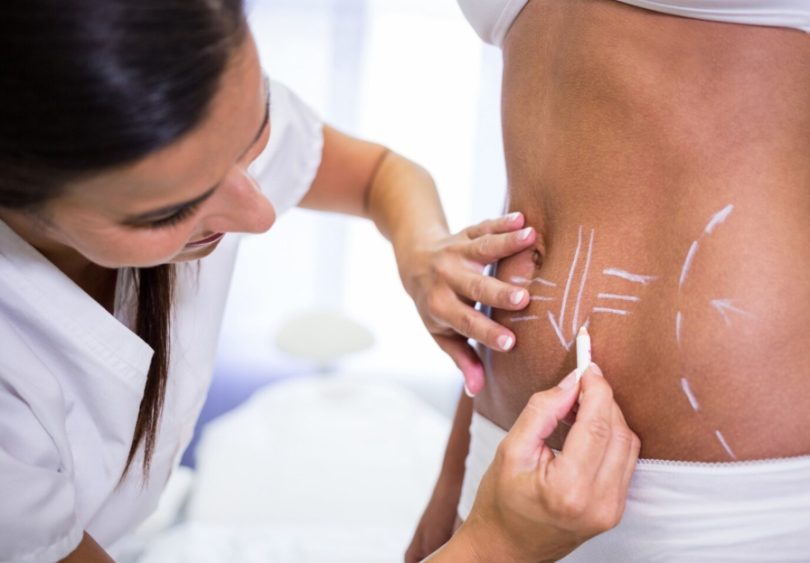
Stubborn fat around your abdomen, thighs, arms, or chin can sometimes remain despite regular exercise and a balanced diet. If you want to change the shape of these areas, liposuction may be one option to consider.
Understanding what is liposuction can help you decide whether the procedure suits your goals. Liposuction is a cosmetic surgery that removes localized fat deposits to improve body contours. It is not a treatment for obesity or a substitute for healthy weight management.
The results depend on your health, skin elasticity, body weight, and individual healing. Before considering surgery, you should understand how it works, which areas it treats, its potential risks, recovery time, and cost.
What Is Liposuction?
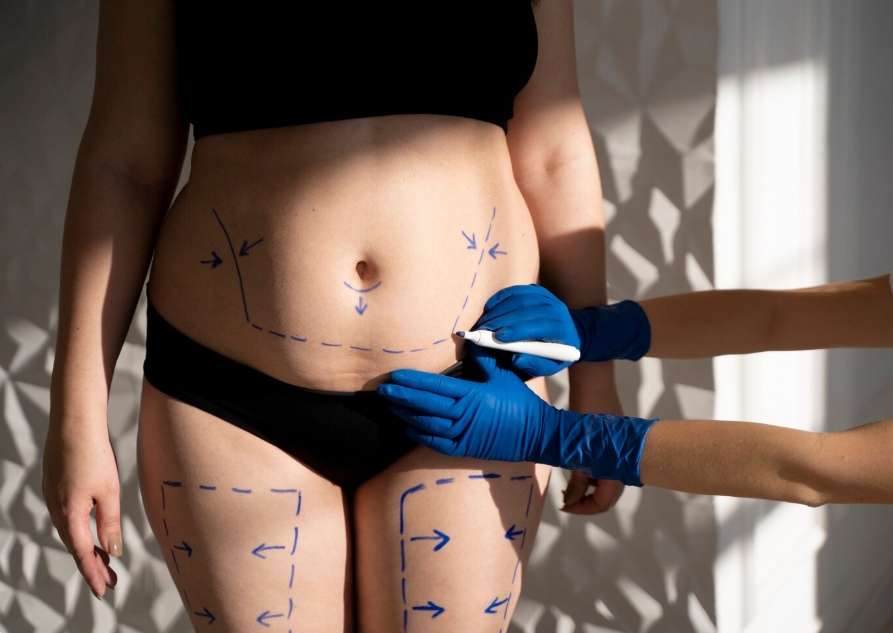
Liposuction is a cosmetic surgical procedure that removes fat from specific areas of the body using a thin tube called a cannula and suction equipment. It is also known as lipoplasty or lipo.
During the procedure, a surgeon makes small incisions in the treatment area and inserts the cannula beneath the skin. The tube helps loosen and remove fat while the surgeon works to create balanced body contours.
Liposuction is commonly performed on the abdomen, waist, hips, thighs, upper arms, back, chin, and neck. It may be suitable if localized fat deposits remain despite maintaining a relatively stable weight.
However, liposuction has limitations. It does not reliably remove cellulite, correct significant loose skin, or produce substantial overall weight loss. If you are researching what is liposuction to address a specific concern, a consultation can help determine whether the problem involves localized fat, excess skin, or another issue.
Which Areas of the Body Can Liposuction Treat?
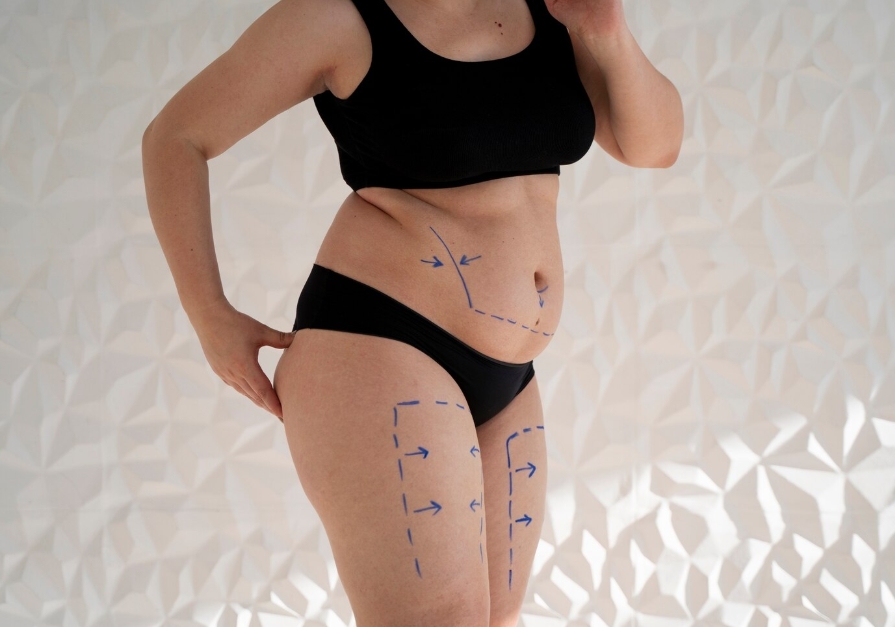
Liposuction can remove localized fat from several body areas. Your anatomy, skin elasticity, health, and desired results help determine which areas are suitable for treatment.
Abdomen and Waist
Liposuction can reduce fat around the stomach, waist, and flanks. Removing selected deposits may create a more defined waistline. However, the procedure does not repair separated abdominal muscles or remove significant excess skin.
Thighs, Hips, and Buttocks
The procedure may reduce fat around the inner and outer thighs and hips, helping improve body proportions. If your skin lacks elasticity, however, fat removal may leave loose or uneven areas.
Arms, Back, and Chest
Liposuction can address localized fat in the upper arms and back, including deposits around the bra line. In men, it may help reduce excess chest fat, although enlarged breast tissue can also contain glandular tissue that requires a different approach.
Chin, Neck, and Other Areas
Liposuction beneath the chin and around the neck may improve the appearance of the jawline in suitable patients. Other possible treatment areas include the knees and selected parts of the lower body. Your surgeon should explain the expected results and limitations before recommending treatment.
How Does Liposuction Work?
Liposuction involves medical assessment, preparation, surgery, and post-operative care.
Consultation and Medical Assessment
Your surgeon will review your medical history, medications, allergies, previous operations, and general health. They may also assess your weight stability, skin elasticity, and treatment goals.
Use this appointment to ask about realistic outcomes, potential complications, alternative treatments, and total costs. Be honest about smoking, alcohol use, supplements, and existing medical conditions because these factors may affect healing.
Anaesthesia and Preparation
Depending on the treatment area and surgical plan, liposuction may involve local anaesthesia, sedation, or general anaesthesia. Your surgical team will explain how to prepare, including instructions about food, drinks, and medication. Follow these instructions carefully and do not stop prescribed medicines without medical advice.
Fat Removal During Surgery
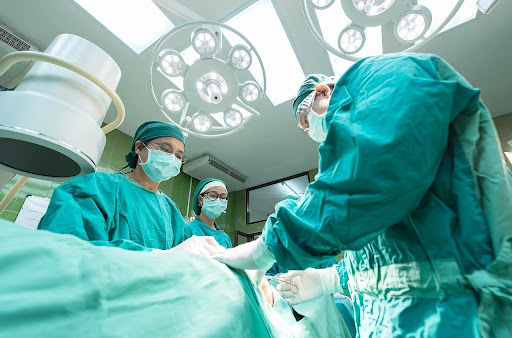
Once the area is prepared and anesthesia takes effect, the surgeon makes small incisions and inserts a cannula beneath the skin. The cannula loosens fat, which is removed through suction equipment.
The procedure’s duration depends on the number of areas being treated and the extent of surgery. Afterward, the incisions are closed or dressed, and your surgical team provides recovery instructions.
Compression Garments After Surgery
Your surgeon may recommend a compression garment to help manage swelling and support the treated areas during healing. You may also receive instructions about wound care, medication, physical activity, and follow-up appointments. Wear the garment for the period recommended by your surgical team.
What Are the Different Types of Liposuction?
Several liposuction techniques are available. The most appropriate option depends on the treatment area, your health, and your surgeon’s experience.
Traditional or Suction-Assisted Liposuction
This technique uses a cannula connected to a suction device to remove fat. It is commonly used on areas such as the abdomen, hips, thighs, and back.
Tumescent Liposuction
Tumescent liposuction involves injecting a solution containing saline, a local anesthetic, and medication that narrows blood vessels. The solution helps numb the area and reduce blood loss during fat removal.
Ultrasound-Assisted Liposuction
This method uses ultrasonic energy to loosen fat before suction removes it. It may be considered for selected areas containing dense or fibrous fat.
Laser-Assisted Liposuction
Laser-assisted liposuction uses laser energy beneath the skin to help break down fat before removal. Some methods are promoted for skin tightening, but the degree of tightening varies.
Power-Assisted Liposuction
This technique uses a motorized cannula to help loosen fat during removal. It may make the process easier for the surgeon in certain cases.
No technique is automatically best for everyone. Ask your surgeon why a particular method suits your needs and what risks it carries.
Who Is a Good Candidate for Liposuction?
Liposuction may be appropriate if you have localized fat deposits that remain despite maintaining a stable weight and following healthy lifestyle habits. It generally works best for people in good overall health who have sufficient skin elasticity.
You may be a suitable candidate if you:
- Have stubborn fat deposits in specific areas.
- Are at or near a stable weight.
- Have reasonably firm skin.
- Are healthy enough to undergo surgery and anesthesia.
- Understand the procedure’s limitations and risks.
- Can follow post-operative instructions.
Liposuction may not be appropriate if you are seeking substantial weight loss, have certain uncontrolled medical conditions, or face an increased risk of surgical complications.
If significant loose skin is your main concern, liposuction alone may not produce the desired result. A qualified surgeon should assess your health and expectations before recommending treatment.
What Are the Benefits of Liposuction?
Liposuction can change the shape of selected body areas by removing localized fat deposits.
Removal of Stubborn Fat
The procedure can reduce fat around the abdomen, waist, thighs, arms, back, and chin. This may improve body proportions when the treatment suits your anatomy.
Improved Body Contours
Removing fat from specific areas can make certain contours more noticeable. For example, treating the waist may create a more defined outline.
Long-Lasting Results
Liposuction removes fat cells from treated areas, so the changes can last for many years if your weight remains relatively stable. However, remaining fat cells can enlarge with weight gain.
Small Incisions
Liposuction generally uses small incisions, which often leave limited scars. Their visibility depends on incision placement, skin characteristics, and healing.
The procedure cannot guarantee a particular appearance, prevent future weight gain, or replace healthy lifestyle habits.
What Are the Risks and Side Effects of Liposuction?
Liposuction is surgery and carries risks even when performed by a qualified surgeon. Your individual risk depends on your health, the treatment area, the technique, and the amount of fat removed.
Common Side Effects
- Swelling and bruising: These may take weeks or longer to settle.
- Pain and tenderness: The treated areas may feel sore during early recovery.
- Numbness: Temporary changes in skin sensation can occur.
- Fluid drainage: Small amounts of fluid may drain from incision sites.
- Scarring: Small scars can remain where the cannula was inserted.
Possible Complications
Less common but potentially serious complications include infection, excessive bleeding, fluid accumulation, uneven contours, delayed wound healing, blood clots, fat embolism, internal injuries, and anesthesia-related complications. Extensive procedures and certain medical conditions may increase surgical risks.
How Can You Reduce Your Risks?
Choose a properly qualified surgeon with relevant experience, disclose your medical history and medications, and follow all pre-operative and post-operative instructions. Confirm that the procedure will take place in an appropriate medical facility.
Seek urgent medical care if you experience chest pain, difficulty breathing, fainting, or other severe or rapidly worsening symptoms after surgery.
What Is the Recovery Time After Liposuction?
Liposuction recovery varies according to the treatment area, amount of fat removed, surgical technique, and your general health.
The First Few Days
You may experience swelling, bruising, soreness, and fluid drainage. Your surgeon may prescribe medication and provide wound-care instructions. Gentle walking is often encouraged when appropriate, but avoid strenuous exercise until you receive medical clearance.
The First Few Weeks
Swelling and bruising gradually improve, although some swelling may persist for several months. You may need to wear a compression garment for a specified period.
Returning to work depends on the extent of surgery and your job’s physical demands. Follow your surgeon’s advice before resuming heavy lifting or strenuous exercise.
When Will You See the Final Results?
Your body shape may change soon after surgery, but swelling can obscure the early results. Final contours may take several months to become clear as your body heals. Contact your surgical team if you develop increasing pain, fever, spreading redness, unusual swelling, or concerning discharge.
Are Liposuction Results Permanent?
The fat cells removed during liposuction are generally permanently removed from the treated area. However, the procedure does not prevent remaining fat cells from enlarging if you gain weight.
Ageing and changes in skin elasticity can also affect your appearance over time. To maintain your results, eat a balanced diet, exercise regularly when medically appropriate, and maintain a relatively stable weight. Liposuction can produce long-lasting contour changes, but it cannot guarantee that your body shape will remain unchanged indefinitely.
Liposuction vs. Weight Loss: What Is the Difference?
Liposuction and weight loss serve different purposes. Liposuction removes localized fat through surgery, while weight loss reduces overall body weight.
| Factor | Liposuction | Weight Loss |
| Main purpose | Changes selected body contours | Reduces overall body weight |
| Method | Surgical fat removal | Lifestyle changes or appropriate medical treatment |
| Treatment focus | Specific body areas | Overall body composition |
| Recovery | Requires surgical recovery | Depends on the method |
| Maintenance | Stable weight helps preserve results | Sustainable habits help maintain weight |
If your main concern is stubborn fat in a specific area, liposuction may be worth discussing with a surgeon. If you want to reduce overall weight or address health conditions associated with excess weight, a weight-management plan may be more appropriate.
Liposuction vs. Non-Surgical Fat Reduction
Non-surgical fat-reduction treatments offer alternatives for people who want to address localized fat without traditional surgery. One example is cryolipolysis, which uses controlled cooling to affect fat cells.
| Factor | Liposuction | Non-Surgical Fat Reduction |
| Invasiveness | Requires surgery and incisions | Usually does not require surgical incisions |
| Fat removal | Fat is physically removed | The body gradually processes affected fat cells |
| Results | May produce more noticeable contour changes | Often produces more limited changes |
| Recovery | Requires post-operative recovery | Usually involves less downtime |
| Risks | Includes surgical and anesthesia-related risks | Depends on the treatment method |
Non-surgical treatments are not entirely risk-free. For example, cryolipolysis can rarely cause paradoxical adipose hyperplasia, in which the treated fat area becomes larger rather than smaller. Discuss the benefits, limitations, and risks of each option with a qualified healthcare professional.
How Much Does Liposuction Cost?
Liposuction costs vary according to the treatment area, amount of fat removed, surgical technique, anesthesia, and medical facility. Surgeon fees and geographic location also affect the price.
Before choosing a clinic, request a written quotation covering:
- Surgeon’s fees.
- Anesthesia and facility charges.
- Medical tests and consultations.
- Prescribed medicines and compression garments.
- Follow-up appointments and aftercare.
If you are considering liposuction in India, request an estimate in Indian rupees and confirm what the quoted price includes. Avoid choosing a clinic based on price alone.
How to Choose the Right Liposuction Surgeon
Choosing a qualified surgeon is essential when planning cosmetic surgery. Before making your decision:
- Verify the surgeon’s recognized qualifications and registration.
- Ask about experience performing liposuction.
- Review appropriate before-and-after photographs.
- Discuss complications and how they would be managed.
- Confirm that the facility has suitable safety and emergency arrangements.
- Request a written estimate of the total cost.
- Understand the recovery plan and follow-up requirements.
Avoid making a decision based solely on advertisements or promises of guaranteed results. Your surgeon should provide clear information and allow you enough time to make an informed decision.
Wrapping Up
Understanding what is liposuction can help you decide whether the procedure suits your cosmetic goals. Liposuction removes localized fat deposits to change body contours, but it is not a substitute for weight loss and cannot guarantee a particular appearance.
Before proceeding, consider the benefits, surgical risks, recovery requirements, and total cost. Your health, skin elasticity, and ability to maintain a stable weight can all influence your results.
Consult a qualified and experienced surgeon who can assess your needs, explain the available options, and help you make an informed decision. Knowing what liposuction can and cannot achieve is the best starting point for deciding whether it is right for you.
Frequently Asked Questions (FAQs)
Q1. What is liposuction, and how does it work?
Liposuction is a cosmetic surgical procedure that removes localized fat using a thin tube called a cannula and suction equipment. It changes the contours of selected body areas rather than treating obesity.
Q2. Is liposuction a weight-loss surgery?
No. Liposuction is primarily a body-contouring procedure for people who are near a stable weight but have localized fat deposits. It is not a substitute for weight management.
Q3. Is liposuction painful?
Anesthesia helps control pain during surgery. Afterward, you may experience soreness, swelling, bruising, and tenderness. Your surgeon can recommend appropriate pain management.
Q4. How long does liposuction recovery take?
Initial recovery may take days to weeks, depending on the extent of surgery and individual healing. Swelling can persist for several months, and final results take time to appear.
Q5. Can fat come back after liposuction?
Removed fat cells do not simply grow back in the same way, but remaining fat cells can enlarge with weight gain. Maintaining a stable weight helps preserve the results.