
Breast reduction surgery can help reduce back, neck and shoulder discomfort while making the breasts more proportionate to the body. Before planning the procedure, one of the first questions people ask is how much is a breast reduction and what the quoted price actually covers. The total breast reduction cost varies by country, surgeon, hospital, surgical technique and the amount of tissue being removed. Insurance can also change your out-of-pocket expense when the procedure is considered medically necessary. This guide explains breast reduction prices in India, the U.S. and the UK, along with insurance, additional expenses and recovery costs.
How Much Is a Breast Reduction?
The price of breast reduction surgery differs considerably depending on where you have the procedure. In the U.S., the American Society of Plastic Surgeons lists an average surgeon fee of about $7,800 for breast reduction in aesthetic patients. This figure is the surgeon’s fee and does not necessarily include anesthesia, facility charges, medical tests or other expenses.
In India, the overall breast reduction surgery cost commonly falls between ₹1 lakh and ₹2.5 lakh, although the final price can be higher or lower depending on the hospital, surgeon and procedure. Apollo Hospitals gives this range as an average estimate for breast reduction in India. In the UK, private breast reduction costs are around £6,500, with consultation and follow-up expenses potentially charged separately.
| Country | Typical cost/fee |
| India | ₹1 lakh–₹2.5 lakh |
| U.S. | Around $7,800 surgeon fee |
| UK | Around £6,500 |
These figures are estimates rather than fixed prices. Your personal quote should be based on a consultation and should clearly state what is included.
What Does the Cost Include?
A breast reduction quote does not always represent the complete amount you will pay. Depending on the clinic or hospital, the package may include some expenses while charging others separately. The main costs can include:
- Surgeon’s fee: Payment for the surgeon performing the breast reduction.
- Anesthesia: General anesthesia is commonly used for the procedure, so the anesthetist’s fee may be separate.
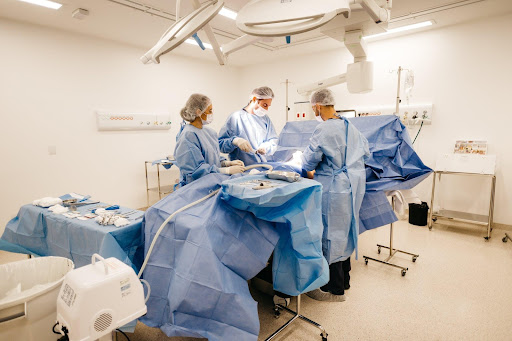
- Hospital or surgical facility: This can include the operating room, nursing care and hospital stay.
- Medical tests: Blood tests, imaging or other preoperative assessments may add to the total.
- Medicines: Prescription pain medication, antibiotics or other medicines may be required after surgery.
- Surgical garments: A supportive surgical or compression bra may be recommended during recovery.
- Follow-up appointments: Check-ups after surgery may or may not be included in the initial package.
The American Society of Plastic Surgeons specifically notes that anesthesia, operating-room or surgical-facility expenses, medical tests, postoperative garments and prescriptions can be separate components of the total cost. Before paying a deposit, ask the clinic for an itemized breast reduction surgery price rather than relying only on the headline figure.
Breast Reduction Cost in the U.S.

In the U.S., the American Society of Plastic Surgeons reports an average surgeon fee of $7,800 for breast reduction among aesthetic patients. This should not be treated as the complete surgery bill because facility and anesthesia expenses can be separate.
Your final breast reduction price may therefore depend on where the operation takes place, the surgeon’s experience, the complexity of the procedure and whether you need additional medical care. For an accurate estimate, ask the surgeon’s office for the expected total rather than comparing surgeon fees alone.
Breast Reduction Cost in the UK
Private breast reduction surgery in the UK costs around £6,500, according to the NHS. Consultation and follow-up costs may be additional, so ask whether they are included in the quoted package.
Breast reduction may also be available through the NHS when very large breasts cause significant physical or psychological problems. Possible reasons can include persistent back, shoulder or neck pain, skin irritation, bra-strap grooves or difficulty exercising. Eligibility requirements vary by location and NHS policy.
Breast Reduction Cost in India
The breast reduction cost in India varies between cities and hospitals. Practo’s city-level estimates put the average cost at around ₹1.15 lakh in Delhi, while Gurgaon is listed at around ₹1.5 lakh. Its estimates for several other major cities generally range from about ₹90,000 to ₹1.15 lakh, although individual hospitals and surgeons may quote differently.
Apollo Hospitals gives a broader estimated range of ₹1 lakh to ₹2.5 lakh for breast reduction in India. The difference between estimates is expected because the final price depends on the provider, procedure and individual case. When comparing a quote in India, check whether it includes:
- Surgeon and anesthesia fees
- Operating-room charges
- Hospital admission or room charges
- Pre-surgery tests
- Medicines
- Surgical garments
- Follow-up appointments
- Treatment of any immediate postoperative issue
A lower initial quote is not necessarily cheaper once separately billed expenses are added.
Does Insurance Cover Breast Reduction?
Insurance coverage depends largely on why you are having the surgery and the requirements of your specific policy. Breast reduction performed purely for cosmetic reasons is generally less likely to be covered. However, insurers may cover the procedure when excessively large breasts are causing documented medical problems and the surgery meets their medical-necessity criteria. Common issues that may support a medically necessary breast reduction claim include:
- Persistent back, neck or shoulder pain
- Skin irritation or rashes beneath the breasts
- Deep bra-strap indentations
- Difficulty with physical activity
- Other symptoms linked to excessively large breasts
Insurance companies may require documentation showing that symptoms are significant and that other treatments have not adequately resolved them. Some plans also require prior authorization, photographs, medical records or a letter from your doctor.
Even when insurance approves the procedure, you may still have a deductible, copayment or coinsurance. Because requirements differ between insurers, check your policy before scheduling surgery. Your surgeon’s billing team can also tell you what documentation they normally submit.
What Factors Affect Breast Reduction Cost?
There is no single average breast reduction cost that applies to every patient. The final price is based on the complexity of the surgery, the surgeon and facility you choose, your location, and the care you need before and after the procedure.
1. Amount of breast tissue removed
The amount of excess fat, glandular tissue and skin that needs to be removed can affect the complexity and duration of surgery. A larger reduction may require more surgical work and a longer operating time.
2. Surgical technique
Surgeons may use different breast reduction techniques depending on breast size, shape, skin quality and the amount of reduction required. More extensive reshaping can affect the overall surgical fee.
3. Surgeon’s experience and qualifications
Surgeons with extensive experience in breast reduction may charge higher professional fees. However, the cheapest quote should not be the main deciding factor when choosing a surgeon for an elective surgical procedure.
4. Hospital or surgical facility
The facility where the operation takes place can make a significant difference to the total bill. Operating-room charges, nursing care, recovery-room services and hospital admission may all be included in the facility fee or billed separately.
5. Geographic location
Breast reduction prices vary between cities and regions. Major metropolitan areas can have higher surgical and hospital costs, although prices are not necessarily higher in every large city.
6. Anesthesia
Breast reduction is generally performed under general anesthesia. The anesthetist’s professional fee and anesthesia-related facility charges may be separate from the surgeon’s fee.
7. Preoperative tests and consultations
Your surgeon may require blood tests, imaging, a medical evaluation or other assessments before surgery. These expenses can increase the total breast reduction surgery cost when they are not included in the package.
8. Hospital stay
Some patients may need an overnight stay depending on the procedure, their health and the surgeon’s usual protocol. Room type and hospital charges can therefore affect the final bill.
9. Postoperative care
Follow-up appointments, prescription medicines, wound-care supplies and supportive surgical bras can add to your expenses after the operation. Ask whether these are included in the quoted price.
10. Additional surgical requirements
Some patients need more extensive reshaping or correction of asymmetry as part of the procedure. Any additional surgical work can change the original estimate.
11. Insurance coverage
When breast reduction is considered medically necessary, insurance may cover some eligible expenses depending on the policy. Your out-of-pocket amount can still depend on deductibles, copayments and coinsurance.
For this reason, it is better to ask for a complete breast reduction cost estimate instead of comparing surgeon fees alone. A written quote should show the surgeon’s fee, anesthesia, facility charges, tests, medicines, postoperative garments and follow-up care so you can understand what you are actually paying for.
Breast Reduction Recovery and Other Expenses
The surgery itself is not the only financial consideration. You may also need to account for time away from work, transportation, accommodation if you travel for surgery and postoperative supplies. Recovery varies from person to person. The NHS notes that recovery can take around 2 to 6 weeks, with some people needing approximately 2 to 3 weeks away from work. Strenuous exercise and heavy lifting may need to be avoided for up to six weeks. Your surgeon will give you specific restrictions based on your recovery. Planning these costs in advance can prevent an unexpectedly high breast reduction surgery cost after the procedure.
Wrapping Up
Knowing how much is a breast reduction involves more than looking at the surgeon’s advertised fee. An accurate budget should account for anesthesia, hospital charges, tests, medicines, follow-up appointments and time away from work. Prices also vary significantly between countries, cities and individual surgeons. Insurance may reduce the out-of-pocket breast reduction cost when the procedure meets medical-necessity requirements. Before booking, request an itemized quote and confirm exactly what is included so you can compare your options based on the total expected expense rather than the initial price alone.
Frequently Asked Questions (FAQs)
Q1. What is the average cost of breast reduction surgery?
The cost varies by country and provider. In India, Apollo Hospitals estimates around ₹1 lakh to ₹2.5 lakh, while the U.S. average surgeon fee reported by ASPS is about $7,800.
Q2. How much is a breast reduction without insurance?
Without insurance, you generally pay for the surgeon, anesthesia, facility, medical tests and postoperative care yourself. The exact amount depends on your location and the clinic or hospital you choose.
Q3. Does insurance pay for breast reduction?
Insurance may cover breast reduction when it is considered medically necessary, but eligibility and documentation requirements vary by plan. Cosmetic procedures are generally less likely to qualify.
Q4. How much does breast reduction cost in India?
A commonly quoted range in India is around ₹1 lakh to ₹2.5 lakh. City-level estimates can differ, so getting a personalized quote from a qualified surgeon is important.
Q5. How long does breast reduction recovery take?
Recovery varies, but the NHS says it can take around 2 to 6 weeks. Some people may need 2 to 3 weeks away from work, while strenuous activity may remain restricted for longer.