
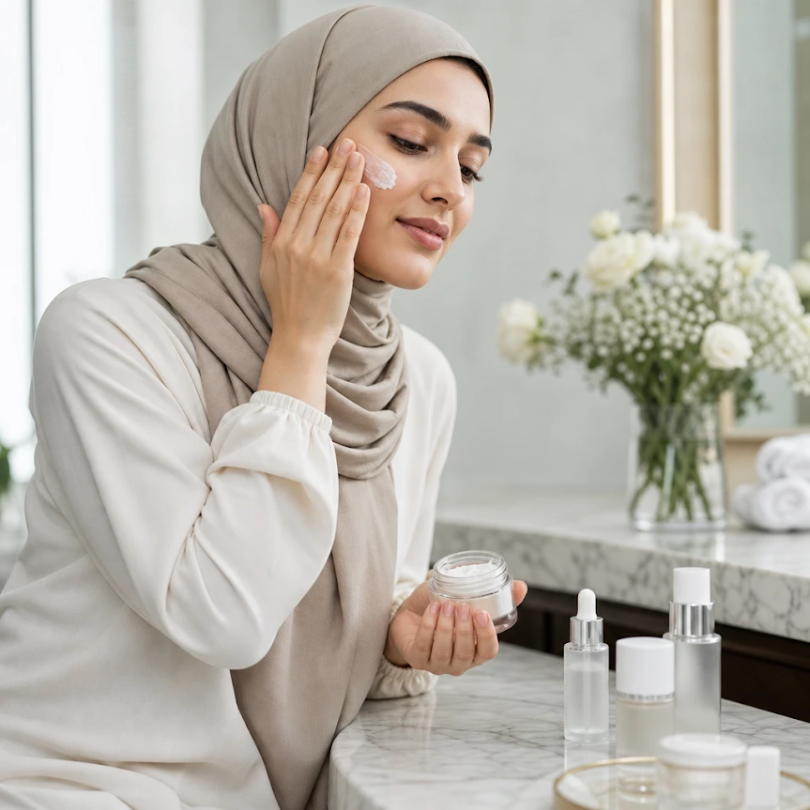
The skincare industry has undergone a quiet revolution over the past decade, and at the center of it are peptides — small but powerful chains of amino acids that communicate directly with your skin’s biology. Once reserved for clinical dermatology or high-end cosmetic procedures, peptide-based formulations have now become accessible to everyday consumers who want real, measurable results without invasive treatments. Understanding why these ingredients work, how to use them effectively, and what to look for in a quality product can make the difference between a routine that merely feels good and one that genuinely transforms your skin over time.
What Are Peptides and Why Does Your Skin Need Them?
Peptides are short sequences of amino acids — the building blocks of proteins. In the context of skincare, they serve as biological messengers, signaling the skin to perform specific functions such as producing collagen, repairing damaged tissue, or regulating inflammation. As we age, the skin’s natural ability to generate collagen and elastin slows considerably. This leads to the visible signs of aging: fine lines, loss of firmness, uneven texture, and a dull complexion. Peptides step in to essentially remind the skin of what it used to do naturally, encouraging regeneration at a cellular level.
There are several categories of peptides used in skincare, each with a distinct mechanism. Signal peptides stimulate collagen synthesis. Carrier peptides deliver trace minerals like copper to the skin to support healing. Neurotransmitter-inhibiting peptides work similarly to Botox by relaxing facial muscles to reduce expression lines. Enzyme-inhibiting peptides slow down the breakdown of collagen. The diversity of peptide types means that a well-formulated moisturizer can address multiple skin concerns simultaneously, making it one of the most versatile active ingredients available today.
The Science Behind Peptide Moisturizers
A moisturizer is more than just a hydration vehicle — it is a delivery system. For peptides to be effective, they must be formulated in a way that allows them to penetrate the skin barrier and reach the dermal layers where collagen production occurs. This is where the science of cosmetic chemistry becomes critical. Peptides are water-soluble, which means they can be destabilized by certain oils or active ingredients like vitamin C in high concentrations. A well-crafted peptide moisturizer balances pH levels, uses appropriate emulsifiers, and pairs peptides with complementary ingredients such as hyaluronic acid, niacinamide, and ceramides to maximize absorption and efficacy.
Clinical studies have consistently shown that regular use of peptide-based topicals can lead to measurable improvements in skin elasticity, hydration, and the reduction of fine lines over a period of four to twelve weeks. Unlike retinoids, which can cause irritation and require a period of skin adjustment, peptides are generally well-tolerated by all skin types, including sensitive skin. This makes them an ideal entry point for anyone looking to introduce anti-aging actives into their routine without the risk of adverse reactions.
Peptides vs. Retinol: Choosing the Right Anti-Aging Ingredient
Retinol has long been considered the gold standard in anti-aging skincare, and for good reason — its ability to accelerate cell turnover and stimulate collagen is well-documented. However, retinol is not suitable for everyone. Pregnant women, individuals with rosacea, or those with particularly reactive skin often cannot tolerate it. Peptides offer a gentler but still effective alternative. While retinol works by forcing rapid cellular renewal, peptides work by communicating with the skin’s existing repair mechanisms. In many cases, combining both ingredients — used at different times of day or on alternating nights — can yield superior results compared to either ingredient alone.
Celebrity Skincare Trends and the Rise of Non-Invasive Solutions
Public fascination with celebrity skin has always driven consumer behavior in the beauty industry. When stars appear to defy aging, audiences want to know their secrets. Some of that curiosity leads people down the path of cosmetic procedures, and there is no shortage of speculation online. For example, discussions around Demi Moore’s transformation over the years have sparked widespread interest in both surgical and non-surgical approaches to maintaining youthful skin. What is particularly interesting, however, is the growing number of celebrities and dermatologists who advocate for consistent, science-backed skincare as the foundation of long-term skin health — with peptides frequently cited as a cornerstone ingredient.
This cultural shift toward preventative skincare rather than corrective procedures has fueled demand for high-performance topicals. Consumers are increasingly educated, reading ingredient labels and seeking out formulations backed by clinical evidence. The result is a market that rewards transparency, efficacy, and innovation — qualities that define the best peptide moisturizers available today.
How to Incorporate Peptide Moisturizers Into Your Daily Routine
Consistency is the most important factor when using any active skincare ingredient, and peptides are no exception. For best results, apply a peptide moisturizer twice daily — once in the morning after cleansing and applying any serums, and once at night as the final step in your routine. Because peptides work synergistically with other ingredients, layering them over a hyaluronic acid serum can enhance their penetration and effectiveness. In the morning, follow with a broad-spectrum SPF to protect the collagen your peptides are working to build.
It is also worth noting that peptides should not be used alongside strong acids like AHAs or BHAs at the same time, as low pH environments can degrade certain peptide structures. If you use exfoliating acids in your routine, apply them on alternating evenings or at a different step to preserve the integrity of your peptide formulation. According to expert guidance on skin care products, understanding how ingredients interact is just as important as choosing the right actives in the first place.
Spotlight on Bonjil: A Brand Built Around Peptide Science
Among the brands making a meaningful contribution to the peptide skincare space, Bonjil stands out for its commitment to formulation integrity and skin-first philosophy. The brand’s approach centers on combining clinically studied peptide complexes with nourishing, skin-compatible ingredients that support the barrier while delivering visible anti-aging benefits. Their products are designed for real-world use — effective enough to satisfy skincare enthusiasts, yet gentle enough for daily application across a wide range of skin types. If you are looking to elevate your routine with a trusted option, exploring their range is a worthwhile step.
The Context Paragraph: Why Peptide Moisturizers Deserve a Place in Every Routine
The growing body of research supporting peptide-based skincare makes it increasingly difficult to overlook this category when building an effective anti-aging routine. Whether you are in your late twenties looking to prevent early signs of aging or in your forties seeking to restore firmness and radiance, peptide moisturizers offer a scientifically grounded, well-tolerated solution that works with your skin’s natural biology rather than against it. Their versatility, compatibility with other actives, and proven efficacy make them one of the most compelling investments you can make in your long-term skin health.
Conclusion: Investing in Skin That Lasts
Skincare is ultimately a long game. The choices you make today — the ingredients you apply consistently, the habits you build around sun protection and hydration — compound over time into the skin you will have in the years ahead. Peptides represent one of the most intelligent investments in that long game. They are not a trend or a marketing buzzword; they are a well-researched class of ingredients with a clear mechanism of action and a growing body of clinical evidence behind them. As the skincare landscape continues to evolve, peptide moisturizers are poised to remain at the forefront of effective, accessible anti-aging care for consumers who want results they can see and feel.