Textile making is changing fast these days. Earlier people made fabric and garments in a simple way. Now digital textile manufacturing is becoming really popular. This change is not about printing designs on fabric or making machines work faster. It is also changing the kind of thread that is needed for making garments.
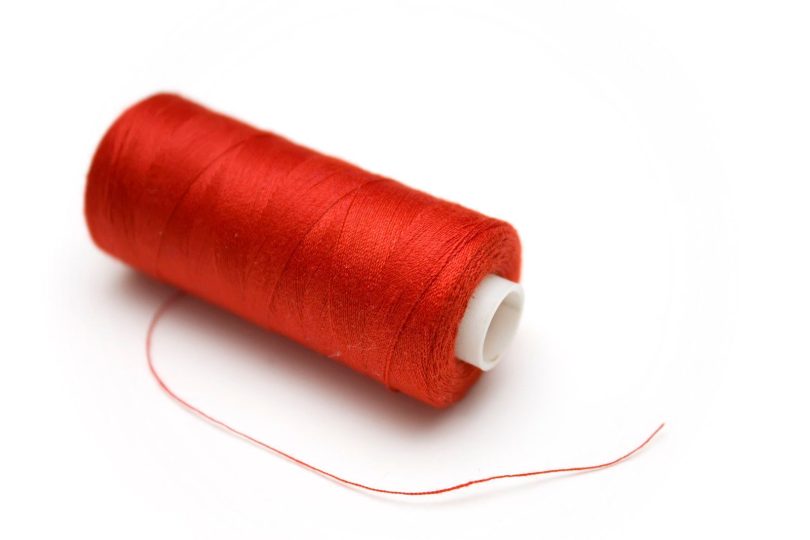
Thread seems like a thing in a garment.. It does a very important job. It holds the fabric together. It helps the garment stay strong. It also affects how the final product looks. When textile production becomes more digital the thread also has to meet demands.
Digital textile manufacturing means using advanced machines, more automation and working more accurately and faster. In this kind of setup every small part is important. If one thing does not work well the whole process can get slowed down. This is why the quality of thread is becoming more important.
In the way of making textiles some problems with thread could be fixed by the people operating the machines. They would adjust things based on their experience.. Digital systems work in a more exact way. Machines need to run. They need to break down often. They need the kind of input all the time. Because of this thread has to be more uniform than before.
One big change is that thread has to be more consistent. In textile manufacturing machines work at high speeds and with very close settings. If the thread is too thick or too thin the stitching can become uneven. It can also cause the thread to break or the stitches to be skipped or the seam to be of quality. So now manufacturers want thread that works well from start to finish.
Strength is also very important. Digital production lines work fast. In fast stitching operations weak thread can cause a lot of problems. It can break often. It can damage the workflow. It can make the machines stop often. This wastes time. Also increases costs. So strong thread is now more necessary than ever. Fire-retardant sewing thread are important for the protective clothing manufacturing.
The smoothness of thread is also getting attention. In automated sewing systems thread should move easily through the machine. If it is too hairy or rough it can cause friction. Then heat can build up. The thread may work badly. A smoother thread helps the machine work better and gives stitching.
Lubrication is also very important now. In textile operations machines often work for long hours without stopping. If the thread is not properly lubricated, friction increases. That affects the quality of sewing. Good lubrication helps the thread pass through the needle and machine parts with stress. This gives speed and less damage, so a self-lubricating thread is in demand.
Digital textile manufacturing is also supporting customized products. Today many brands want orders, quick changes and special designs. This means threads also have to match fabrics and applications in a better way. One type of thread may not be enough for every job. Manufacturers now need thread options for stretch fabric, light fabric, heavy material, technical textile and more.
Colour matching has also become more important. When fabric printing becomes more digital and exact stitching should also look right. If the thread colour does not match well the garment may look bad even if the fabric is beautiful. So thread suppliers now have to provide shade consistency and more colour choices.
Durability is another growing need. Digital manufacturing is often used for performance wear, sportswear, workwear, fashion wear and many other products. These garments have to last and look good. Because of that thread has to handle washing, rubbing, stretching and daily use. It should not fade fast. It should not weaken early. It should support the life of the garment.
Digital systems also reduce waste in factories. This means every material used in production is checked carefully. Thread is also part of this thinking. Companies now want thread that gives performance with less waste. If thread breaks much cones get wasted time gets wasted and fabric can also get damaged. So better efficiency from thread is now a requirement.
Sustainability is also becoming a topic. Many modern textile units are trying to become more responsible. Because of this there is growing interest in threads that are made in an cleaner way. Some buyers also look for eco-conscious thread options. As digital textile manufacturing grows this demand can become even stronger.
Another big change is data-based production. Modern factories track machine output, defects, speed, downtime and efficiency. This makes thread performance easier to measure. Earlier some thread issues may have gone unnoticed.. Now factories can clearly see how thread affects production. If one thread performs better the data will show it. So thread is no longer seen as a basic sewing item. It is now seen as a performance factor.
In the time thread makers will have to do more than just supply thread. They will need to offer consistency, technical support, better testing and application-based solutions. Textile manufacturers want thread that works well with machines and changing fabric needs.
So digital textile manufacturing is changing thread requirements in a way. The need is now for thread smoother thread, more consistent thread, better colour matching and improved durability. The role of thread is becoming more important with every step of production.
A garment may look simple, from the outside.. Behind it every stitch matters.. When textile manufacturing becomes digital the thread must also become smarter, better and more dependable. Digital textile manufacturing is changing the way threads are made and used. This is making threads a part of the digital textile manufacturing process. Threads are no longer a small part of garment making. They are now a component of digital textile manufacturing.