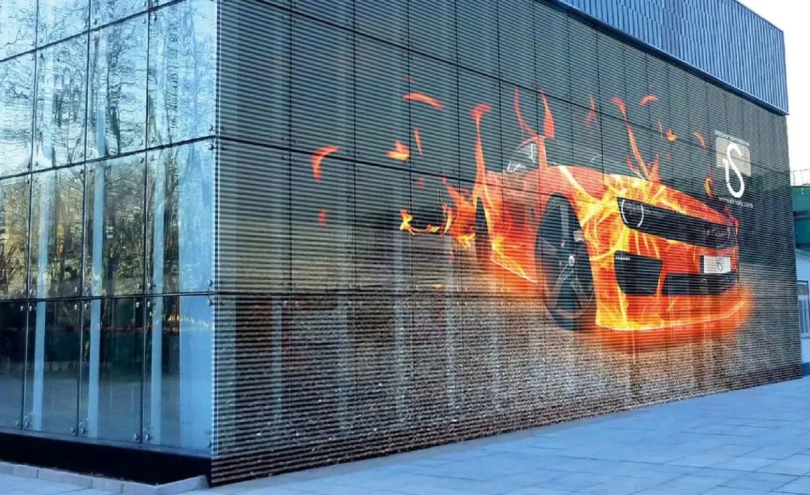
Indoor and outdoor rental LED display screens may look similar from a distance, but they are built for very different working conditions. A ballroom screen has to look smooth under stage lights. A festival screen has to stay readable in daylight, handle wind planning, and survive a demanding outdoor setup.
The difference matters because the wrong display can create avoidable problems. A screen that is bright enough indoors may look washed out outside. A rugged outdoor panel may be unnecessary for a controlled indoor conference. Choosing correctly starts with the venue.
Brightness Is the First Big Difference
Brightness is usually measured in nits. Outdoor screens need higher brightness because they compete with sunlight, open skies, and changing weather. Indoor screens can use lower brightness because the lighting is controlled and the audience is usually closer.
Too much brightness indoors can be uncomfortable, especially for front-row guests or camera crews. Too little brightness outdoors can make sponsor logos, speaker close-ups, and live video hard to see. The display should be matched to the real lighting conditions, not just the largest number on a spec sheet.
Outdoor Screens Need Stronger Protection
Outdoor rental LED screens need more protection against dust, moisture, wind, and handling stress. They may require stronger support structures, weather-aware installation plans, and accessories such as wind-bracing frames. IP rating is often part of this discussion. It describes a product’s resistance to solid particles and water under defined test conditions.
Indoor screens do not usually need the same weather protection, but they still need stability, clean alignment, and reliable maintenance access. For indoor events, details like color consistency, refresh rate, and viewing comfort can matter more than rugged outdoor protection.
Viewing Distance Changes the Pixel Pitch
Indoor events often place viewers closer to the screen. Conferences, exhibitions, product launches, and broadcast stages may require tighter pixel pitch so text, faces, and product visuals look clean. Outdoor concerts or festivals usually have longer viewing distances, so a larger pixel pitch may still deliver a strong image.
According to AVIXA’s 2025 Industry Outlook and Trends Analysis, global Pro AV revenue is projected to grow from $332 billion in 2025 to $402 billion by 2030. As event visuals become more important, planners are looking more closely at how technical details affect audience experience.
Pick the Screen Around the Event
Indoor screens are often chosen for fine image detail, camera performance, and close viewing. Outdoor screens are usually chosen for brightness, structure, weather tolerance, and visibility from a distance. Some productions need both, especially festivals with indoor VIP areas, outdoor main stages, and sponsor activations.
Event teams comparing indoor and outdoor rental LED displays should define the venue, lighting, audience distance, content type, camera plan, and installation timeline before finalizing a product.
The best choice is not simply indoor or outdoor. It is the display that fits the real conditions of the show and gives the crew enough flexibility to deliver it safely.