
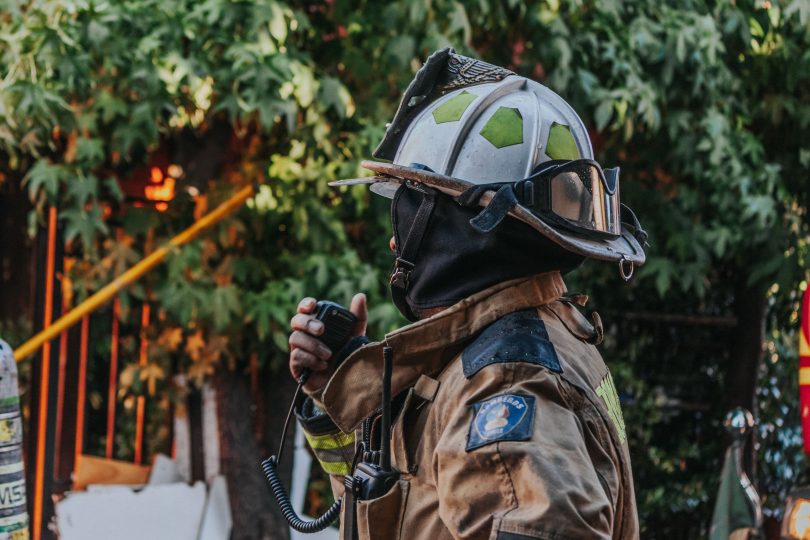
Proper dispensary fire watch reduces threats linked to electrical equipment. Teams monitor systems to prevent fires before they start spreading quickly. Regular checks keep high-risk areas safe under constant observation. Staff training improves response times during electrical fault events quite well. Updated plans support better control over equipment-related fire dangers today.
Identifying Key Electrical Hazard Sources
Sources of danger appear in overloaded circuits during peak usage hours often. Faulty wiring creates sparks that ignite nearby materials without warning signs.
Extra steps involve listing all power units in storage zones for review. Daily logs track temperature changes near heavy load devices to catch issues early.
Building Effective Monitoring Protocols Today
Protocols set clear schedules for watching power systems around the clock. Sensors alert workers at the first sign of unusual heat or smoke.
Added routines include rotating duty shifts to maintain focus during long periods. Clear signal methods ensure messages reach the right person without any delay.
Training Teams for Quick Response Actions
Practice sessions prepare groups to handle sudden power faults with calm steps. Workers learn to shut off main supplies in the shortest possible time.
- Teams practice isolating power lines during simulated fault scenarios every week.
- Clear roles assign one person to call support while others secure the zone.
- Regular drills build speed in using extinguishers near active electrical panels.
- Feedback after each session improves methods for future real event handling.
- Updated guides keep all members aware of the latest safe shutdown sequences.
Further practice covers checking backup power units after any main system stop. Records of each drill help measure progress in response speed over months.
Using Advanced Detection Tools Wisely
Modern sensors detect heat rises long before flames become visible to eyes. Placement of these units near heavy load machines covers the most critical spots.
- Heat sensors trigger alerts when temperatures exceed set safe levels quickly.
- Smoke units activate early to give workers time for controlled power cuts.
- Combined systems send signals to multiple devices for faster team awareness.
- Routine tests confirm every detector works without fail under normal conditions.
- Data from tools guides adjustments to monitoring plans based on real patterns.
Common Questions Answered Clearly
- What makes electrical systems higher risk than other facility areas overall? Heavy loads cause heat buildup that spreads faster than simple material fires.
- How often should watching rounds cover all high-load equipment zones fully? Rounds every two hours catch problems before they grow into larger threats.
- Which tools give the earliest warning about rising heat near power units? Sensors placed close to panels send signals at the first temperature rise.
- Who holds responsibility for updating watching plans after any equipment change? Lead supervisors review all changes and adjust schedules within one working day.
- Can basic training alone prepare teams for complex electrical fault events? Basic sessions form the start, yet advanced drills build the needed skill levels.
| Risk Factor | Watching Focus | Review Rate |
| Overloaded circuits | Heat and spark signs | Every two hours |
| Faulty connections | Visual wire checks | Once per shift |
| Aging power units | Performance logs | Daily at start |
| Backup supply status | Charge and readiness | Twice each day |
| Sensor function | Test and signal proof | Weekly full run |
These steps create a clear map for daily work across all zones. Following the listed rates keeps every unit under steady, reliable observation.
Steady Progress Through Careful Steps
Smart watching methods greatly lower the chance of fires from power systems. Teams gain skill through steady practice that builds real readiness over time. Tools and schedules work together to spot problems at the earliest stage. The dispensary fire watch plans grow stronger when every member follows the same clear rules. Safe outcomes rise when simple actions turn into daily reliable habits everywhere.