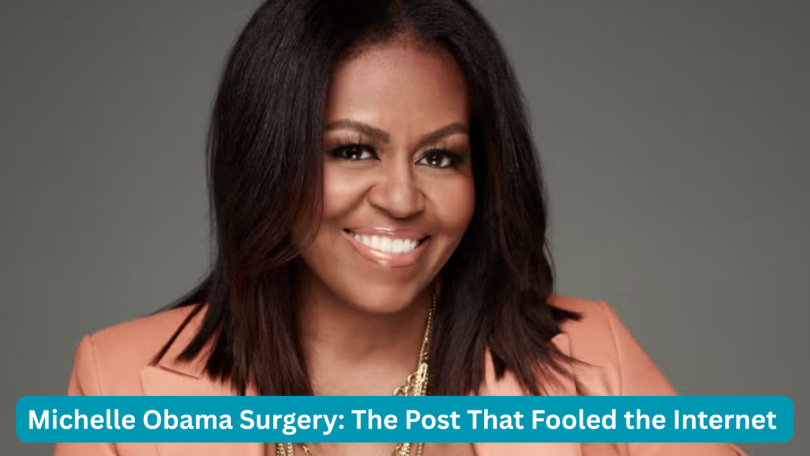
If you’ve come across a post claiming Michelle Obama surgery rumors are true, you’re not alone. That claim spread across Facebook groups and gossip pages, complete with heartfelt captions and recovery updates. The problem? None of it is real.
Before you share or worry about her wellbeing, it helps to know where this story came from, who started it, and why it went viral so quickly. This article breaks down the timeline, checks the facts against verified information, and looks at what Michelle Obama has actually said about cosmetic procedures over the years, because there’s a real story buried under the fake one.
The Viral Claim Behind the Michelle Obama Surgery Rumor
In March 2026, a post began circulating with a title along the lines of “Good News from Barack Obama: A Heartfelt Update on Michelle’s Recovery.” It claimed the former president had personally confirmed that his wife underwent a serious operation and was recovering well, though healing would “take time.”
The post used a familiar trick: swapping the letter “O” in Obama’s name with the number zero. This is a small but telling detail. Pages that traffic in fabricated celebrity news often do this to dodge content moderation filters that scan for public figures’ names. If you’ve ever noticed odd spelling on a suspicious post, a zero instead of an “O,” or extra spaces in a name, that’s usually your first clue something is off.
The post spread through Facebook groups with names built around nostalgia, wellness, or celebrity tributes, the kind of pages designed to farm likes and shares rather than report actual news. From there, it jumped to blogs and low-quality news aggregators repeating the claim as though it were confirmed, which is exactly how the Michelle Obama surgery hoax gained so much traction in such a short window.
What Fact-Checkers Actually Found
Here’s where the story falls apart. When journalists and fact-checking teams looked into the claim, they found nothing supporting it. No statement from Barack Obama. No confirmation from Michelle Obama’s office. No coverage from established outlets like the Associated Press or Reuters, both of which would have reported on something this significant involving a former first lady.
That absence matters. Major health news about a public figure of Michelle Obama’s stature doesn’t stay contained to random Facebook pages. It gets picked up within hours by mainstream press. The fact that no credible outlet touched the story is itself a strong signal that it was fabricated.
Fact-checking organizations traced the earliest version of the post back to a page known for using AI tools to generate emotional, clickbait-style stories about celebrities and public figures. These pages don’t need the story to be true. They need it to get shared, and a fake health scare involving someone as recognizable as Michelle Obama checks every box: sympathy, curiosity, and a reason to comment or tag a friend. It’s a pattern seen again and again with celebrity health hoaxes, wellness misinformation, and fake medical announcements involving public figures.
Why AI-Generated Celebrity Health Hoaxes Spread So Fast
You’ve probably noticed more of these fake health scares lately, and there’s a reason for that. AI writing tools have made it cheap and fast to produce convincing, emotionally worded posts about anyone in the public eye. A few prompts, a stock photo, and a page can publish dozens of these stories a week without a single fact-checker involved.
Health rumors work especially well because they trigger concern before skepticism. When you read that someone underwent surgery, your first instinct isn’t to question the source. It’s to feel something: worry, sympathy, curiosity about what happened. That emotional reaction is exactly what these pages are counting on. By the time you’d normally stop to verify a claim, you’ve already hit share.
There’s also the trust factor tied to Michelle Obama specifically. She’s one of the most recognized and generally well-regarded public figures in the country. A post claiming bad news about her health taps into genuine public affection, which makes people less likely to question it and more likely to pass it along out of concern rather than curiosity alone.
Facebook groups built around celebrity nostalgia or feel-good content are particularly fertile ground for this. Many of them aren’t run by news organizations at all; they’re managed by anonymous admins whose main goal is engagement, not accuracy. Once a post like this gains traction in one group, it gets copied, reposted, and slightly reworded across dozens of others, making it look more credible simply because it’s everywhere. This is how a single fabricated post about Michelle Obama surgery can end up looking like widespread, confirmed news within a matter of days.
What Michelle Obama Has Actually Said About Cosmetic Surgery
While the recent surgery claim is fabricated, Michelle Obama has spoken publicly about cosmetic procedures before, and it’s worth separating fact from fiction here too. Around her 50th birthday, she gave an interview to People magazine where she addressed the topic directly. Her stance wasn’t a denial or an endorsement; it was more measured than either.
She said she wasn’t currently interested in procedures like Botox or plastic surgery but added that she’d “learned to never say never.” That single comment made headlines across major outlets at the time, partly because so few public figures are willing to discuss the topic openly instead of dodging the question entirely.
In that same conversation, she emphasized that her approach to aging and appearance was rooted in consistent healthy habits rather than cosmetic intervention. She mentioned staying current on medical checkups, including routine screenings, eating reasonably well without obsessing over it, and keeping up a regular exercise routine. Her message leaned toward personal choice; she noted that women should feel free to make whatever decisions help them feel confident, without judgment either way.
It’s also worth noting the public speculation around her toned physique, especially her arms, which became something of a cultural talking point during her time as first lady. Plastic surgeons and dermatologists were frequently asked to weigh in on whether her look involved any cosmetic work, including arm-lift procedures or minor injectables like Botox. Most professional opinions at the time suggested there was no clear evidence of surgical intervention, with some suggesting minor cosmetic treatments were possible, though nothing was ever confirmed by her or her team.
None of this speculation or commentary is the same as confirming an actual operation, and that distinction matters. Public curiosity about a well-known figure’s appearance is normal. Fabricating a fake medical event and attributing false statements to her husband is a different matter entirely.
How to Spot Fake Celebrity Health News Before You Share It
Given how convincing these posts can look, it helps to have a quick mental checklist before you share or react to one. A few warning signs tend to show up consistently across these hoaxes.
- Check the spelling of names. As mentioned earlier, swapping letters for numbers or adding odd spacing is a common tactic to slip past content moderation. If a name looks slightly wrong, that’s worth pausing on.
- Look for the source, not just the claim. A real story about a major health event involving a former first lady would be covered by established news organizations within hours. If you can only find the story on a Facebook page or an unfamiliar blog, treat it with heavy skepticism.
- Notice the emotional language. Posts designed to spread quickly often lean hard into phrases like “heartfelt update,” “our thoughts and prayers,” or “the road to recovery.” Genuine news reporting tends to be more neutral and specific, with quotes, dates, and named sources.
- Search before you share. A quick search of the claim along with words like “fact check” or “hoax” often surfaces reporting from fact-checking organizations within seconds. This single habit stops the majority of misinformation from spreading further.
- Be wary of pages with vague or nostalgic names. Groups and pages built around themes like “celebrity tributes” or “signs from loved ones” are frequently used to distribute fabricated content because they already have built-in emotional trust with their audience.
None of these checks take more than a minute, but together they catch the overwhelming majority of fabricated celebrity news, including hoaxes like the Michelle Obama surgery claim, before it spreads any further.
Wrapping Up
The claim behind Michelle Obama surgery headlines is a clear example of how quickly misinformation can spread when emotional language, AI-generated content, and social media algorithms line up. There’s no confirmed medical event, no official statement, and no coverage from credible news sources, just a fabricated post designed to travel fast.
What she has actually said publicly is far more modest: an honest, measured comment about not ruling out cosmetic procedures someday, paired with a consistent message about staying healthy through regular checkups and exercise. That’s a very different story from the one that went viral.
The next time a health claim about a public figure crosses your feed, a minute of checking can save you from spreading something false. Look at the source, search for confirmation, and notice the emotional cues designed to make you react before you think. That habit alone puts you ahead of most people scrolling past the same post.
Frequently Asked Questions (FAQs)
Q1. Did Michelle Obama have surgery in 2026?
No. There’s no credible evidence supporting this claim. No major news outlet reported it, and no official statement from Michelle Obama or Barack Obama confirms it. The claim originated from a Facebook page known for spreading fabricated celebrity content.
Q2. Did Barack Obama really post an update about his wife’s recovery?
No. That specific quote and update were never issued by Barack Obama through any verified account or official channel. It was fabricated and attributed to him without basis.
Q3. Has Michelle Obama ever had cosmetic procedures like Botox?
She has never confirmed having any cosmetic procedures. In a 2014 interview, she said she wasn’t currently interested in Botox or plastic surgery but wouldn’t rule it out in the future. That’s the extent of any confirmed public comment on the topic.
Q4. Why do these fake celebrity health stories keep appearing?
They generate high engagement quickly. Health-related claims about well-known public figures trigger an emotional response, which leads to shares, comments, and clicks, exactly what low-quality content pages are optimized for, especially now that AI tools make producing this content nearly instant.
Q5. How can I verify if a celebrity news story is real?
Search the claim alongside terms like “fact check,” and check whether reputable outlets like the Associated Press, Reuters, or major news networks have reported on it. If the story only appears on unfamiliar blogs or social media pages, it’s very likely false.